

Top 10 Things to Do in Aosta Valley, Italy
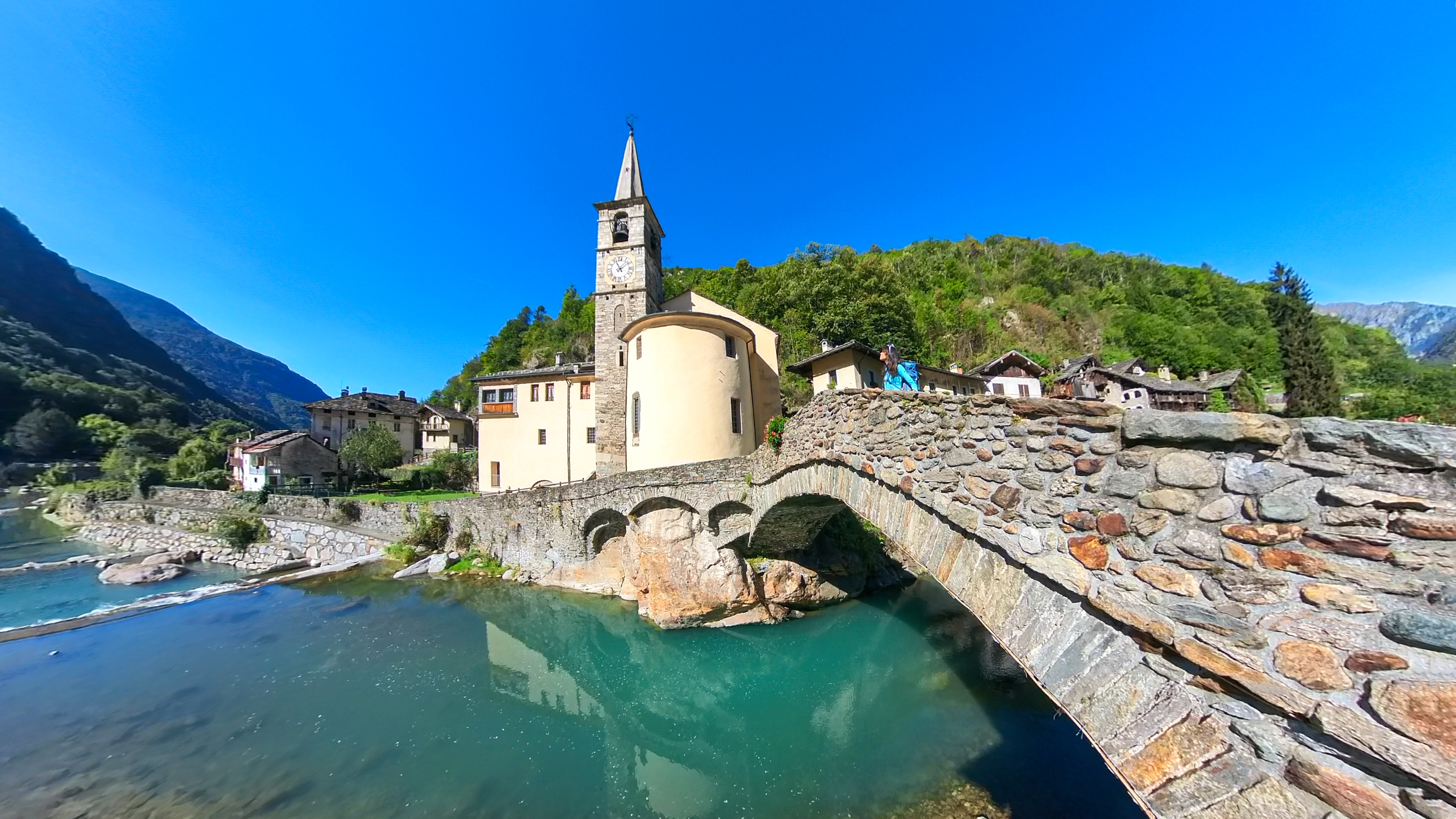
Home to some of Europe’s highest mountains, ancient Roman landmarks and spectacular Alpine scenery, Aosta Valley packs a remarkable amount into Italy’s smallest region. Bordering France and Switzerland, this corner of northwest Italy is dominated by four famous peaks: Mont Blanc, the Matterhorn, Monte Rosa and Gran Paradiso.
There’s plenty to discover beyond the mountains, too. Explore Roman ruins in Aosta, visit medieval castles perched above the valley, sample traditional mountain dishes and discover villages where local customs remain part of everyday life.
Here are 10 of the best things to do in Aosta Valley to help you plan your visit.
Why Visit Aosta Valley?
Aosta Valley is one of Italy’s most distinctive mountain destinations, with excellent skiing in winter and an extensive network of walking and cycling trails during the warmer months.
The region also has a fascinating history. Aosta was founded by the Romans in 25 BC, and its remarkably well preserved monuments include the Arch of Augustus, Roman Theatre and ancient town walls. Elsewhere, medieval castles, traditional Alpine villages and local food specialities offer plenty of reasons to explore beyond the main resorts.
Top 10 Things to Do in Aosta Valley
1. Hiking in Aosta Valley
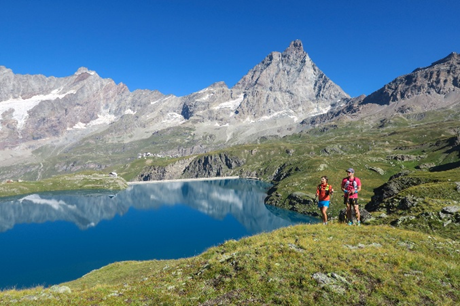
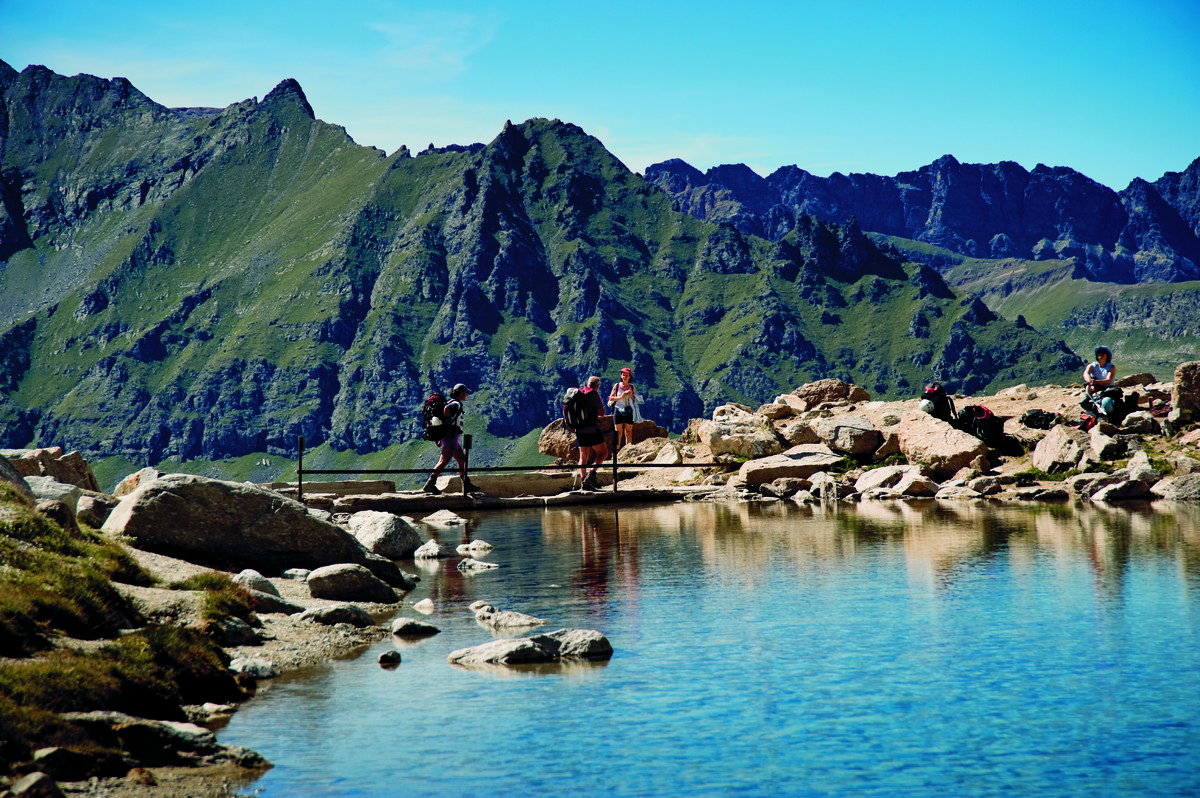
With hundreds of kilometres of marked trails, Aosta Valley is an excellent destination for walking holidays. Routes wind through Alpine meadows, larch forests and mountain valleys, with opportunities for gentle day walks as well as demanding high altitude treks.
Some of the best hikes in Aosta Valley include:
Alta Via 1 and Alta Via 2: These challenging long distance routes cross some of Aosta Valley’s most impressive mountain landscapes. Alta Via 1 follows the northern side of the region, while Alta Via 2 explores the southern valleys, including sections of Gran Paradiso National Park. Both are best suited to experienced walkers, with mountain refuges providing accommodation along the way.Whether you’re a seasoned hiker or a casual walker, Aosta Valley’s trails won’t disappoint.
Gran Paradiso National Park: Established in 1922, Italy’s oldest national park is known for its dramatic mountain scenery and protected wildlife. Look out for Alpine ibex and chamois along trails leading towards mountain refuges, waterfalls and glacier viewpoints.
Mont Avic Natural Park: A quieter area of forests, mountain lakes and rugged peaks, with walking routes through landscapes of Scots pine and larch. The park is particularly appealing to those interested in wildlife and exploring the region’s natural environment.
2. Skiing in Aosta Valley
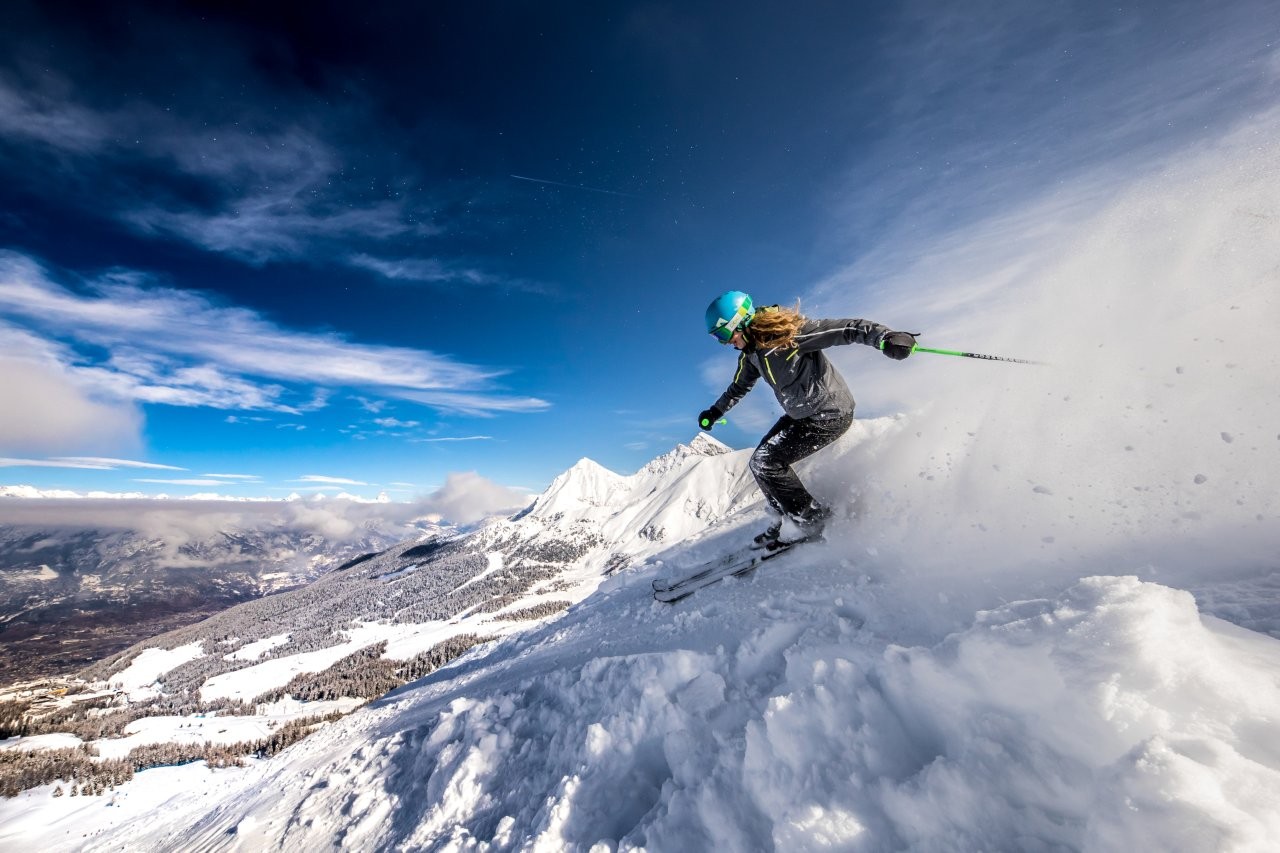
With high altitude slopes, spectacular mountain scenery and some of Italy’s best known ski resorts, Aosta Valley is an excellent choice for a winter holiday. Skiers can enjoy long, scenic descents, extensive linked ski areas and traditional Alpine villages, with plenty of excellent Italian food waiting at the end of the day.
Some of the best skiing in Italy can be found in these Aosta Valley resorts:
- Breuil-Cervinia: Ski beneath the Matterhorn on some of the highest pistes in the Alps. The resort is particularly popular for its long, wide runs and access to the international ski area shared with Zermatt in Switzerland.
- Pila: Just a gondola ride above the historic town of Aosta, Pila combines panoramic views of Mont Blanc and the Matterhorn with varied slopes and excellent opportunities for families and intermediate skiers. Its location also makes it easy to enjoy Aosta’s restaurants and historic streets after skiing.
- Courmayeur: At the foot of Mont Blanc, Courmayeur is known for its scenic pistes, mountain restaurants and lively après ski. The resort also offers access to exceptional freeride terrain for experienced skiers, including routes reached via the Skyway Monte Bianco.
- La Thuile: Known for its varied terrain and quieter slopes, La Thuile forms part of the Espace San Bernardo ski area, linking Italy with La Rosière in France. Its extensive network of pistes and challenging descents makes it particularly appealing to confident skiers.
- Monterosa Ski: Champoluc and Gressoney: Explore the vast Monterosa Ski area, which connects three valleys beneath the Monte Rosa massif. Champoluc offers a relaxed village atmosphere, while Gressoney is known for its traditional Walser heritage and access to impressive mountain terrain.
Discover more ideas and winter holiday offers in Aosta Valley.
3. Cycling and Mountain Biking in Aosta Valley
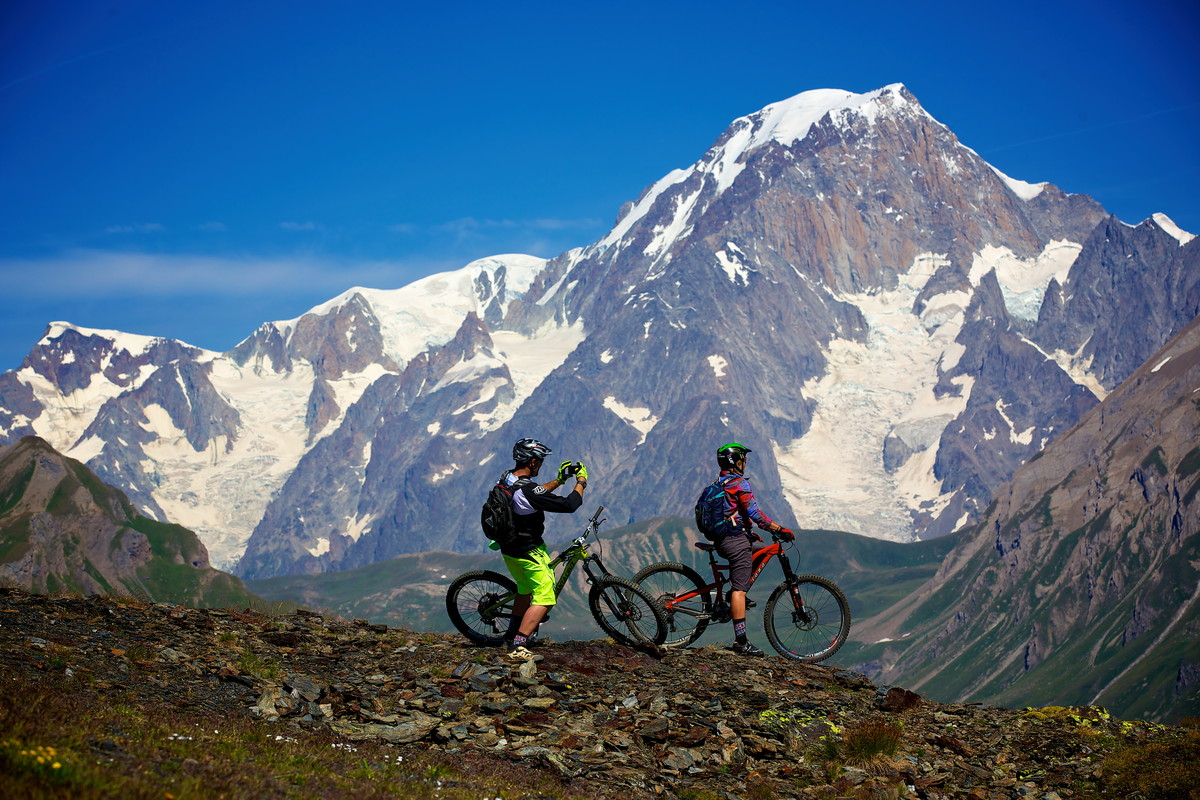
With legendary Alpine climbs, forest trails and dedicated bike parks, Aosta Valley offers excellent cycling for road riders and mountain bikers alike. Tackle the mountain passes made famous by the Giro d’Italia, explore peaceful valleys by bike or head for the higher slopes for more technical descents.
Discover more about cycling in Aosta Valley and explore the region’s road cycling and mountain biking routes.
Some of the best places to cycle include:
La Thuile Bike Park: A favourite among experienced mountain bikers, La Thuile is known for its natural trails, technical descents and challenging terrain. Lift access during the summer season makes it possible to explore the mountain without tackling every climb.Don’t forget to pack your bike and helmet and get ready for an exhilarating ride through Aosta Valley’s stunning landscapes.
Great Saint Bernard Pass: A classic Alpine road cycling challenge, climbing towards the Swiss border at an altitude of 2,473 metres. Expect demanding gradients, sweeping mountain views and a rewarding sense of achievement at the summit.
Val Ferret: Beneath the towering peaks of the Mont Blanc massif, this beautiful valley offers a gentler cycling experience along the valley floor, with mountain scenery and opportunities to stop at traditional restaurants. Check local access restrictions and permitted cycling routes before setting off.
4. Explore the Towns and Villages of Aosta Valley
Beyond its mountain scenery, Aosta Valley is full of historic towns, traditional Alpine villages and places worth exploring at a slower pace. Roman monuments, medieval architecture, local food and centuries old traditions give each destination its own character.
Discover more of Aosta Valley’s towns and villages, including:
Gressoney: Set beneath the Monte Rosa massif, the Gressoney Valley has a fascinating Walser heritage, reflected in its architecture, traditions and local dialect. Explore the villages of Gressoney-Saint-Jean and Gressoney-La-Trinité, with their wooden houses, mountain scenery and access to walking and skiing routes.Take a leisurely stroll through these towns and soak in the local culture and history.
Courmayeur: At the foot of Mont Blanc, Courmayeur combines traditional Alpine architecture with stylish boutiques, excellent restaurants and a lively town centre. Take a stroll along Via Roma or enjoy the spectacular mountain views aboard the Skyway Monte Bianco.
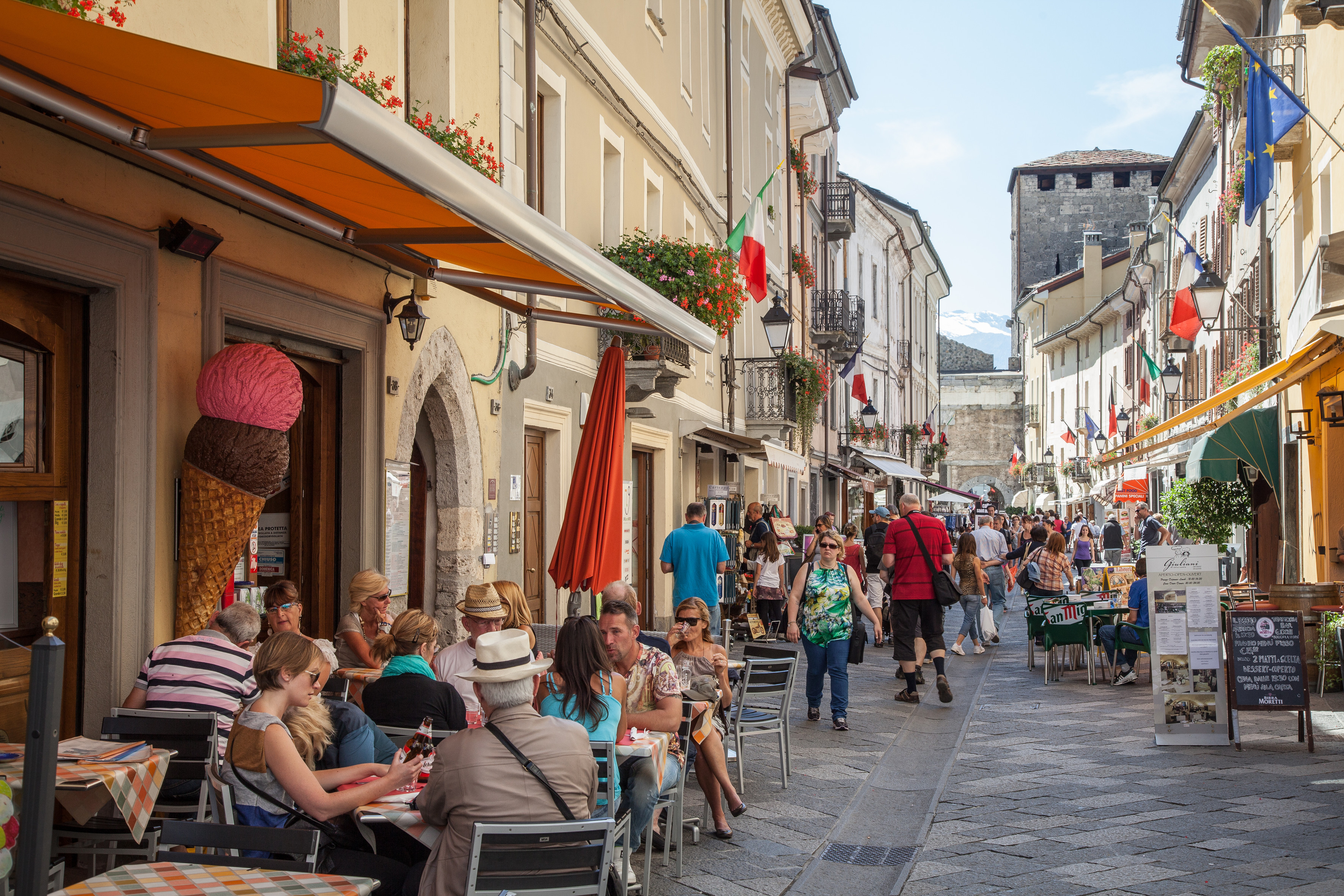
Aosta: Often called the Rome of the Alps, the regional capital is home to remarkably well preserved Roman monuments, including the Arch of Augustus, Porta Praetoria and Roman Theatre. Its historic centre is also a lovely place to explore independent shops, cafés and local restaurants.
Valtournenche: Surrounded by dramatic mountain scenery, Valtournenche retains a strong connection to its Alpine traditions. The village provides access to walking trails in summer and the extensive Breuil-Cervinia ski area in winter.
Pré-Saint-Didier: Best known for its historic thermal baths, Pré-Saint-Didier offers the chance to relax in outdoor thermal pools with views of the surrounding mountains. Its location close to Courmayeur makes it an appealing stop during a visit to the Mont Blanc area.
Cogne: On the edge of Gran Paradiso National Park, Cogne is known for its traditional stone houses, mountain walking routes and distinctive local crafts, including the delicate handmade bobbin lace that has been produced here for generations.
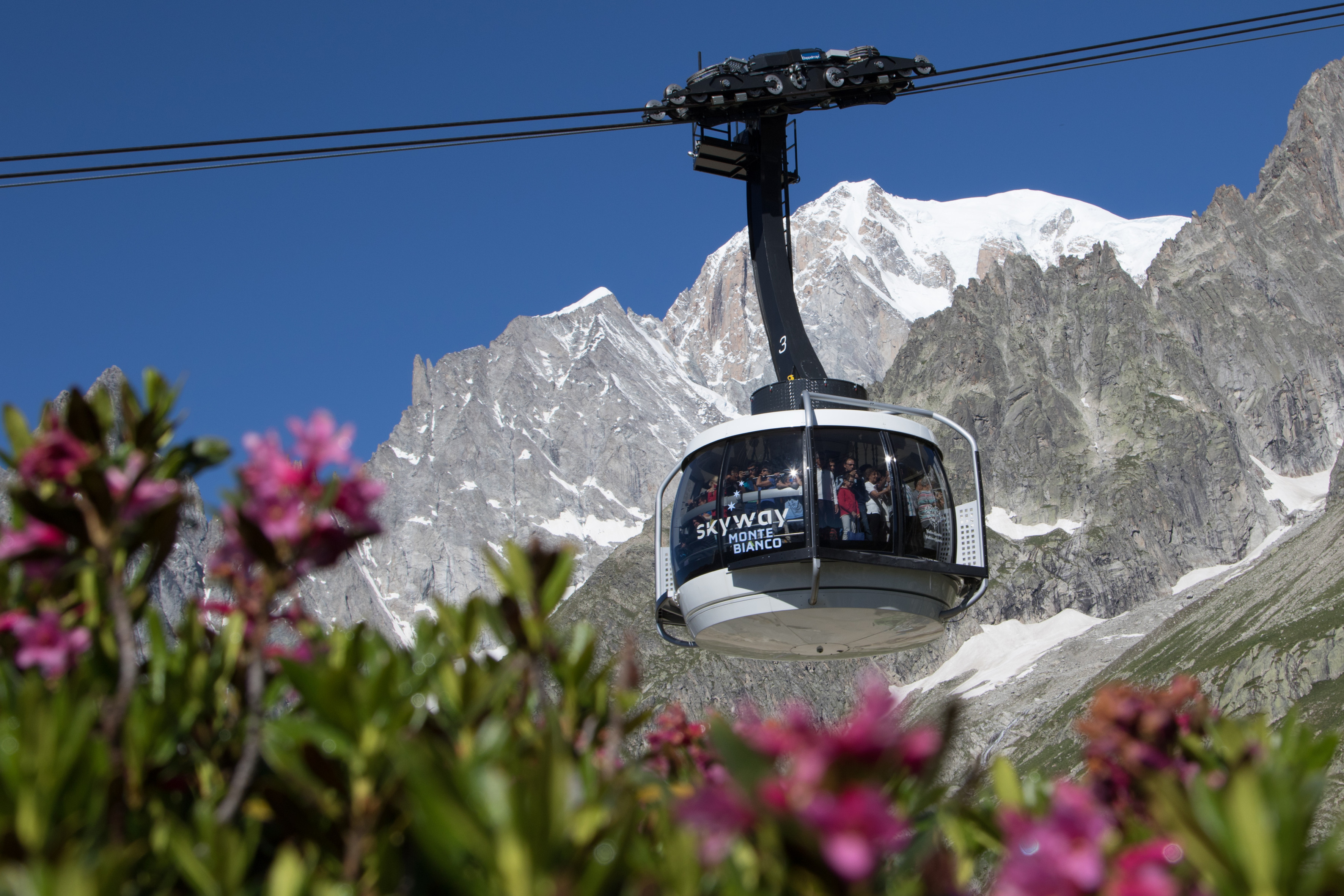
5. Experience Mont Blanc on the Skyway Monte Bianco Cable Car
For some of the most spectacular mountain views in Italy, take a journey aboard Skyway Monte Bianco. Departing from Courmayeur, this remarkable cable car climbs to Punta Helbronner at 3,466 metres, bringing visitors remarkably close to the glaciers and towering peaks of the Mont Blanc massif.
The rotating panoramic cabins offer 360 degree views during the ascent, while the viewing terrace at the top reveals a breathtaking panorama of the surrounding Alps. Stop at the intermediate Pavillon station to explore the alpine botanical garden during its opening season or enjoy a meal with a mountain backdrop.
It’s an extraordinary way to experience the high Alps without having to climb a mountain.
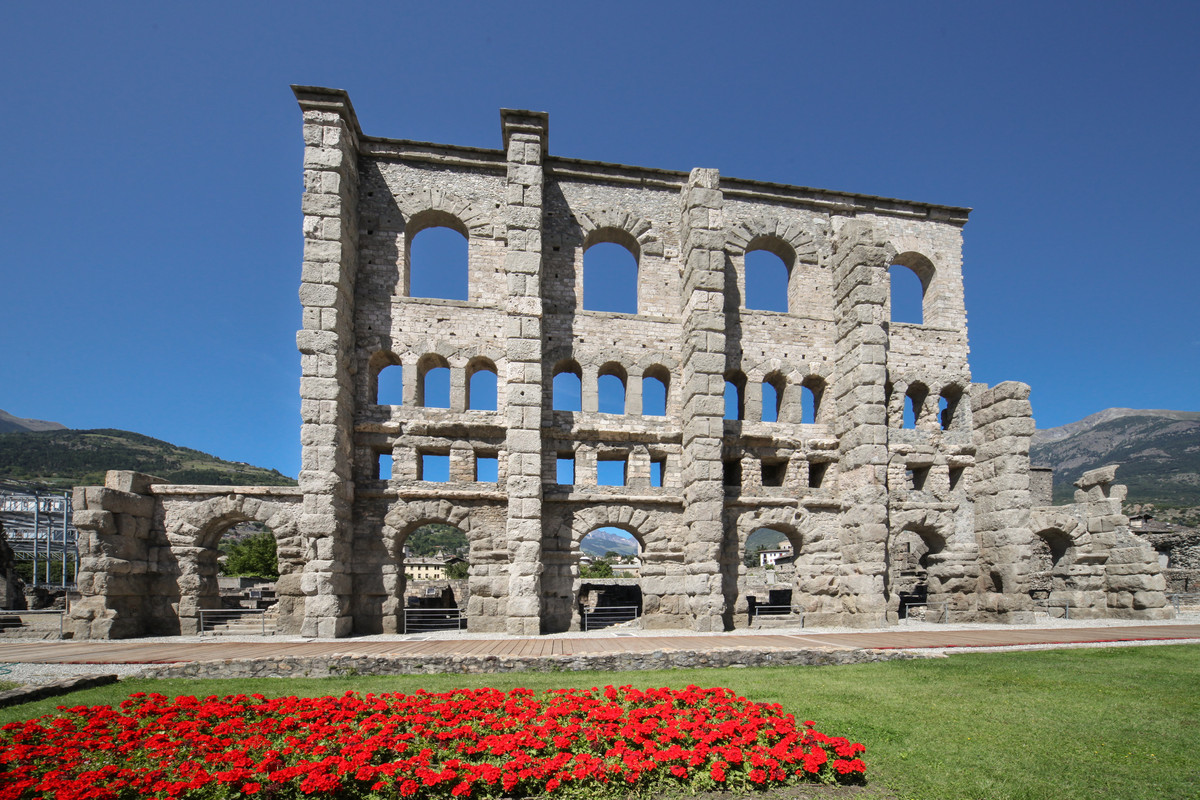
6. Discover Aosta’s Roman Heritage
Founded by the Romans in 25 BC, Aosta is often called the Rome of the Alps, and it’s easy to see why. The historic centre is home to some of the best preserved Roman remains in northern Italy, with ancient gateways, monumental arches and archaeological sites all within walking distance.
Explore Aosta’s Roman heritage and discover some of the town’s most impressive Roman monuments, including:
- Roman Theatre: Dating back to the 1st century AD, Aosta’s Roman Theatre reopened in July 2026 following an extensive restoration. Visitors can now explore the archaeological site along a new walkway, admire its remarkable 22 metre high façade and discover how the ancient Romans enjoyed entertainment nearly 2,000 years ago. The theatre and its surrounding area also provide an atmospheric setting for cultural events.
- Arch of Augustus: Built in 25 BC to commemorate the Roman victory over the Salassi, this imposing stone arch stands just outside the ancient city walls. It remains one of Aosta’s most recognisable monuments and a reminder of the town’s Roman origins.
- Porta Praetoria: Once the principal eastern entrance to the Roman settlement, this impressive gateway still stands in the heart of Aosta. Its massive stone arches are a fascinating example of Roman engineering.
With so much history concentrated in a compact historic centre, Aosta is particularly rewarding to explore on foot.
7. Explore the Castles and Historic Churches of Aosta Valley
Aosta Valley has an extraordinary collection of medieval fortresses, royal residences and historic churches. Many occupy dramatic positions overlooking the valley, offering a fascinating glimpse into the region’s past.
Discover the region’s castles and historic churches, including these three remarkable sites:
- Castel Savoia: Built for Queen Margherita of Savoy at the beginning of the 20th century, this distinctive castle in Gressoney-Saint-Jean has five towers, richly decorated interiors and beautiful Alpine gardens. The Queen spent her summers here, drawn by the mountain scenery and views towards Monte Rosa. In 2026, the castle marked the centenary of her death with a special exhibition celebrating her connection to the local Walser community.
- Verrès Castle: Perched high above the village of Verrès, this imposing 14th century fortress is one of Aosta Valley’s finest examples of medieval military architecture. Built for the powerful Challant family, its austere stone exterior conceals an impressive central staircase and grand halls. Its commanding position offers sweeping views across the valley.
- Sanctuary of Notre-Dame de Guérison: Set beneath the towering peaks of the Mont Blanc massif, near Courmayeur, this small mountain sanctuary has welcomed pilgrims for centuries. Dedicated to Our Lady of Healing, it is known for its religious significance, collection of votive offerings and spectacular setting beneath the surrounding glaciers.
These buildings reveal different chapters of Aosta Valley’s history, including its medieval nobility, royal connections and enduring mountain traditions.
8. Discover Aosta Valley’s Food and Wine
Aosta Valley’s mountain cuisine is shaped by centuries of Alpine farming traditions, with rich cheeses, hearty dishes and excellent local wines taking centre stage. It’s a region where food is closely connected to the landscape, and some of its best specialities are still produced using traditional methods.
Explore Aosta Valley’s food and wine through local tastings, visits to producers and traditional restaurants. Look out for these regional favourites:
- Fontina DOP: Aosta Valley’s most famous cheese is made using milk from local cows and matured in cool cellars. It’s the essential ingredient in fonduta, the region’s rich, creamy cheese fondue.
- Carbonade valdostana: A traditional beef stew slowly cooked in red wine, often served with polenta. It’s particularly welcome after a day in the mountains.
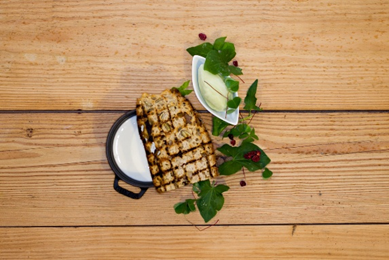
- Lardo d’Arnad DOP: This delicately seasoned cured pork speciality is traditionally matured in wooden containers with herbs and spices. Enjoy it thinly sliced with bread.
- Local wines: Despite its small size, Aosta Valley has a fascinating wine tradition, with vineyards climbing steep mountain slopes. Try the indigenous Petit Rouge and Fumin reds or the aromatic Petite Arvine white.
For a closer look at the region’s culinary traditions, seek out a local food tasting, visit a vineyard or join a cooking class where available. It’s a chance to meet the producers and discover the stories behind the dishes.
9. Relax in Aosta Valley’s Thermal Spas
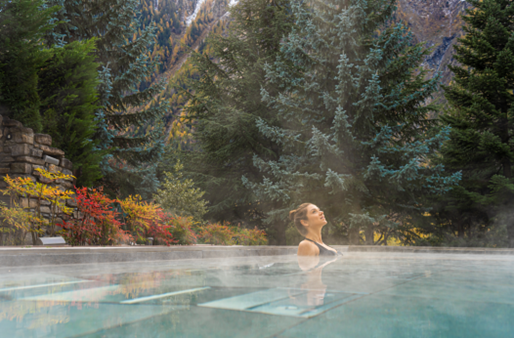
After a day in the mountains, Aosta Valley’s thermal spas offer a wonderful way to unwind. Naturally heated mineral waters, outdoor pools and dramatic Alpine scenery make the region an appealing destination for a relaxing break.
One of the best known is QC Terme Pré-Saint-Didier, near Courmayeur, where visitors can soak in warm outdoor thermal pools with views towards the Mont Blanc massif. Set in a historic spa complex dating back to the 19th century, it also offers saunas, steam rooms and a range of wellness treatments.
For another experience, head to Saint-Vincent, where the thermal spa offers wellness facilities and treatments in a peaceful mountain setting.
Explore more wellness experiences and spa breaks in Aosta Valley, and make time for a little relaxation during your visit.
10. Discover Aosta Valley’s Wildlife and Natural Wonders
Aosta Valley is one of Italy’s most rewarding destinations for wildlife watching, with protected mountain landscapes where ibex, chamois, marmots and golden eagles can be seen in their natural habitats. Beyond the popular walking routes, its national and regional parks offer a chance to discover the quieter side of the Alps.
Three places worth exploring include:
- Gran Paradiso National Park: Established in 1922 as Italy’s first national park, Gran Paradiso is particularly famous for its Alpine ibex. Once threatened with extinction, these remarkable mountain animals are now one of the park’s greatest attractions. Look out for chamois on the slopes, marmots in the meadows and golden eagles soaring overhead. The valleys of Cogne, Valsavarenche and Rhêmes provide excellent starting points for exploring the park.
- Mont Avic Natural Park: Known for its extensive forests, peat bogs and beautiful mountain lakes, Mont Avic has a very different character. Its Scots pine woodland is particularly unusual in the Alps, while lakes such as Lago Muffé and Gran Lago reward walkers with impressive mountain scenery. The park is also an important habitat for birds and Alpine wildlife.
- The Valnontey Valley: Just outside Cogne, Valnontey is one of the most accessible places to experience Gran Paradiso’s wildlife and mountain scenery. Walking routes follow the valley beneath dramatic peaks and glaciers, with opportunities to see ibex, chamois and marmots. The area is particularly beautiful during the warmer months, when Alpine flowers cover the meadows.
For the best chance of seeing wildlife, head out early in the morning or later in the afternoon, keep a respectful distance from animals and follow marked trails through protected areas.
Ready to Explore Aosta Valley?
With its spectacular mountains, fascinating history, traditional villages and excellent food, Aosta Valley has plenty to reward a longer stay. There’s always another mountain trail to follow, a castle to explore or a local speciality to try.
If you prefer to explore independently without organising every detail yourself, Macs Adventure offers self guided walking holidays in the Italian Alps, with accommodation and route planning taken care of.
Start planning your trip and discover what makes Aosta Valley such a rewarding part of Italy to explore.